
 Français
 简体中文
 Deutsch
 English
 Español
 Nederlands
 Svenska
 Italiano
 日本語
 Polski
 Português
 Русский
 Ελληνικά
 العربية
 Türkçe
Live
Nichoir de Llyn Brenig, Pays de Galles
Llyn Brenig, Conwy, Pays de Galles, Royaume-Uni
 1.7°C / 35.1°F
 10:1310:13:39
 4.5°C / 40.1°F
 Nuageux
 87%
 6 km/h / 4 mph
 07:32
 16:23
Chargement des prévisions…
Llyn Brenig, Conwy, Pays de Galles, Royaume-Uni
1.7°C / 35.1°F
10:13
Saundersfoot, Pembrokeshire, Pays de Galles, Royaume-Uni
-0.2°C / 31.6°F
10:13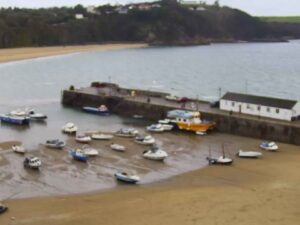
Port de Tenby, Tenby, Pembrokeshire, Pays de Galles
-0.2°C / 31.6°F
10:13

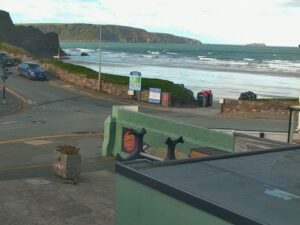
Broad Haven, Pembrokeshire, Pays de Galles, Royaume-Uni
3.5°C / 38.3°F
10:13
Île de Skomer, Pembrokeshire, Pays de Galles, Royaume-Uni
7°C / 44.6°F
10:13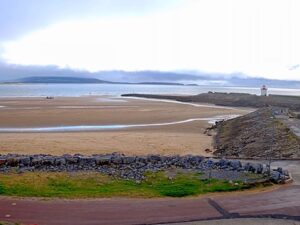
Burry Port, Carmarthenshire, Pays de Galles, Royaume-Uni
6.3°C / 43.3°F
10:13
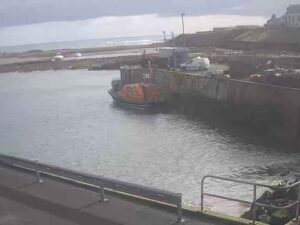
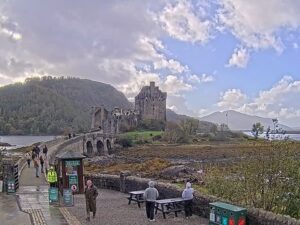


Embleton, Northumberland, Angleterre, Royaume-Uni
 0.8°C / 33.4°F
10:13

Holywood, comté de Down, Irlande du Nord, Royaume-Uni
2.8°C / 37°F
10:13
The Barry Harbour Webcam looks out from Barry Yacht Club on the eastern tip of Barry Island, across the tidal outer harbor at the entrance to Barry Docks in the Vale of Glamorgan, Wales. Yachts and motor boats lie on orange and white mooring buoys, a long steel ramp on iron legs runs down toward the water below the camera, and two stone breakwaters frame the harbor mouth, with a small white lighthouse at the end of the one on the right. The Bristol Channel moves a huge volume of water here, so the picture changes by the hour. At high water the boats float in a full basin. A few hours later most of them sit on soft brown mud, with thin channels of water winding between them.
Barry Yacht Club has looked out between the breakwaters since 1928 and was once known as the Barry Yacht and Motor Boat Club. Its clubhouse stands at the Pierhead, at the corner of Jackson’s Bay, and the water in front of it is what the club calls the Pierhead Harbour. Each year the Barry Dock Master hands the club the job of allocating berths in the harbor’s western sector. Trot moorings run along the western sea wall from in front of the clubhouse almost to the entrance, and most of them dry to soft mud.
The docks are the reason the harbor exists. Construction began in 1884 and the first dock opened in 1889, built by the Barry Railway Company, which a group of colliery owners had formed. The company also built the breakwaters to give ships a calm stretch of water outside the dock locks. Coal shipments grew from one million tons in the first year to more than nine million tons by 1903, and by 1913 Barry was the largest coal-exporting port in the world. The docks also joined Barry Island to the mainland.
The white tower on the right is the Breakwater Lighthouse, at the seaward end of the West Breakwater about 390 meters (1,280 feet) from the clubhouse. On the left of the frame, tall stone quay walls carry dock buildings, and a long, low breakwater crosses the back of the view. This is a different place from Barry’s Old Harbour, which lies about 1.4 kilometers (0.9 miles) west on the far side of the island and has no moorings at all.
Barry has a mild, damp maritime climate. Over the ten years from 2016 to 2025, January days at the harbor averaged about 8°C (46°F) and nights about 3°C (37°F) in the Open-Meteo archive, while July and August reached about 20°C (68°F) by day and 14°C (57°F) at night. April highs sit near 13°C (55°F), and October still averages about 15°C (59°F). The weather station at nearby Rhoose, home of Cardiff Airport, records about 983 millimeters (38.7 inches) of rain a year, and its sunshine climbs from about 55 hours in January to about 220 hours in July.
Around the December solstice the sun is up for less than eight hours, and on damp winter days mist can hide everything beyond the breakwaters. By late June daylight lasts more than 16 and a half hours. Whatever the season, the tide sets the scene. Spring tides at Barry rise and fall about 10 meters (33 feet), among the largest ranges in the world, so a basin of floating yachts at breakfast can be a field of mud by lunchtime.
Barry Island’s main sights are a short walk west of the club. Whitmore Bay, the island’s main beach, is less than a kilometer (about half a mile) away, with Barry Island Pleasure Park beside it. Marco’s Cafe by Whitmore Bay is known as Stacey’s workplace in Gavin & Stacey, the comedy series filmed on the island. Nell’s Point, the headland between Jackson’s Bay and Whitmore Bay, has its own car park, and Friars Point toward the western end of the island has five recorded Bronze Age cairns.
Barry Island railway station, about 700 meters (0.4 miles) west of the harbor, is the end of the Barry branch line from Cardiff. Beyond the island, the Old Harbour and Cold Knap lead on to Porthkerry Park, a large open space of woodland and streams with a pebbly beach. The yacht club itself welcomes non-members, has a bar and grill looking over the harbor entrance, and runs RYA training courses, a rowing section and stand-up paddleboarding.
Three more cameras on the Welsh coast, from a pier farther west along Glamorgan to two Pembrokeshire harbors:
It is the tidal outer harbor at the entrance to Barry Docks, on the eastern tip of Barry Island in the Vale of Glamorgan, south Wales. Barry lies on the north shore of the Bristol Channel, about 14 kilometers (9 miles) south-southwest of Cardiff.
The camera looks along the harbor toward its entrance between two breakwaters. Moored yachts and motor boats fill the middle of the frame, a white lighthouse marks the right-hand breakwater, and stone quay walls line the left. Overlays show tide times across the top, a weather panel, a scrolling forecast and the club’s burgee.
Mild and often damp. January averages about 8°C (46°F) by day and 3°C (37°F) at night, and July and August about 20°C (68°F) by day.
Most moorings in the harbor dry out at low tide. With a spring range of about 10 meters (33 feet), the boats settle onto soft mud twice a day and float again as the water returns. The club gives access to its moorings from about three hours before to three hours after high water.
No. The strip across the top cycles through high and low water times for the coming days, but Barry Yacht Club states that its tidal information must not be used by vessels for navigation. Use official tide tables instead.
It is the Breakwater Lighthouse, a round iron-plate tower with a gallery and domed lantern, built in 1889 by Chance Brothers of Birmingham. It has been listed at Grade II since 1996 as a lighthouse from the earliest period of Barry Docks.
Yes. The club welcomes non-members as well as members, with or without a boat. There are no designated visitor moorings, but members often let visiting boats lie alongside if the visitor asks first and does not leave the boat unattended overnight.
Source: Barry Yacht Club
Les meilleures nouvelles webcams en direct et fonctionnalités du site, une fois par semaine.
En vous abonnant, vous acceptez de recevoir notre courriel hebdomadaire. Vous pouvez vous désabonner à tout moment.
 2°C / 35.6°F