
Live
Bloubergstrand Beach, Cape Town, South Africa
Bloubergstrand Beach, Marine Drive, Cape Town, South Africa
 20.4°C / 68.7°F
 14:02
14:02
Stream hours: Live 24 hours a day, in black and white infrared after dark. When the player shows a clip marked HIGHLIGHT, the live view is paused and comes back on its own.
14:02:34 35°C / 95°F
 Clear Sky
 15%
15% 15 km/h / 9 mph
 05:40
05:40 18:20
18:20Loading forecast…
Bloubergstrand Beach, Marine Drive, Cape Town, South Africa
20.4°C / 68.7°F
14:02
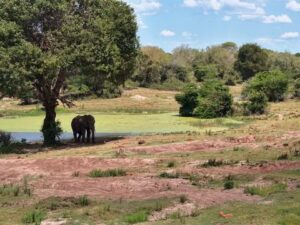
Tembe Elephant Park, KwaZulu-Natal, South Africa
38.8°C / 101.8°F
14:02
Stony Point Nature Reserve, Wallers Road, Betty's Bay, South Africa
18.1°C / 64.6°F
14:02
Paarl Golf Club, Wemmershoek Road, Boschenmeer Golf Estate, Paarl, South Africa
26.3°C / 79.3°F
14:02

Kruger Shalati - The Train on the Bridge, Kruger National Park, Skukuza, South Africa
36.7°C / 98.1°F
14:02

Zambezi Mubala Lodge - Gondwana Collection Namibia, Katima Mulilo, Namibia
 36.4°C / 97.5°F
14:02
36.4°C / 97.5°F
14:02
Mpala Research Centre, Laikipia Plateau, Kenya
26.5°C / 79.7°F
15:02

Atlantic Star Nautical Center, Santa Maria, Cabo Verde
27.3°C / 81.1°F
11:02
The Tau Waterhole Webcam looks out over the large natural waterhole in front of Tau Game Lodge, in Madikwe Game Reserve on South Africa’s northern border with Botswana. On a wide shot, shallow pools and grassy flats run back to a rounded, bush-covered hill streaked with red rock. The camera also pans and zooms, so it can move in close on an elephant wading belly-deep through the water at midday. Elephants, giraffes, zebras and wildebeest are among the regular visitors, herons work the margins, and Africam’s own clips include cheetahs at the water. After dark the picture can switch to black and white infrared. Africam runs the stream on explore.org’s Explore Africa channel, and at times it plays a recorded clip marked HIGHLIGHT before the live view returns on its own.
Tau Game Lodge was built in 1995 on the bank of this waterhole, and the whole lodge faces it. Thirty thatched chalets stand in a U on either side of the main building, each with a private deck looking across the water, so the animals on camera are usually approaching from the opposite bank. The lodge sleeps up to 60 guests, and its name translates as “the place of the lion”. Tau was among the first reserves in South Africa to put a live camera on its waterhole, and in 2013 WildEarth installed a new streaming camera here, steered by remote operators who moved it around through the day in search of wildlife. The ground sits at around 1,026 meters (3,366 feet) above sea level, and resident Nile crocodiles share the water.
Madikwe was created in 1991 from 75,000 hectares (about 290 square miles) of farmland worn out by overgrazing. What followed was Operation Phoenix, one of the largest game relocations ever attempted in Africa. Over about six years, thousands of animals of 27 major species were brought in, among them elephant, buffalo, lion, cheetah, white and black rhino and wild dog, and only species that once lived in the area were reintroduced. Wild dogs have thrived since their release in 1994, and Africa Geographic ranks Madikwe’s elephant population as the second largest in the country. The reserve is run as a partnership between the state, local communities and private lodges, under the North West Parks Board.
Botswana forms the northern boundary, the Marico River the eastern one, and the long ridge of the Dwarsberg Mountains closes off the south. The Dwarsberg and the jumbled hillocks of Tshwene-Tshwene expose rocks up to 2,630 million years old, and Stone Age and Iron Age artifacts still turn up in the soil of the Groot Marico district. Gaborone, the capital of Botswana, is only about 40 kilometers (25 miles) from the reserve.
Summer is hot and wet. From December to February, daytime highs average around 31 C (88 F) and nights stay near 20 C (68 F), with most of the year’s rain falling in thunderstorms between November and March. January is the wettest month, at roughly 84 millimeters (3.3 inches). October and November are the hottest of all, with highs near 32 C (90 F) before the rains properly settle in. The bush turns thick and green in this season, and with rainwater lying in pans across the reserve, animals can spread out and the waterhole may stay quiet for longer stretches.
Winter, from June to August, is dry and mild by day. Highs average about 21 C (70 F) in June and July, but clear nights drop to around 7 C (45 F), and barely any rain falls between May and September. This dry season is generally the best time for game viewing in Madikwe, as the grass dies back and animals gather around permanent water like the Tau waterhole. Temperatures climb quickly in spring, from about 26 C (78 F) in August to 30 C (86 F) in September.
Life at Tau revolves around the game drive. Rangers take guests out in open vehicles twice a day. In summer, from December to March, the morning drive leaves at 05:30 and returns at 08:30, and the afternoon drive runs from 16:30 to 19:30. In winter both shift around the shorter days, leaving at 08:00 and 15:30. Between drives, the game viewing lounge beside the infinity pool and the semi-open dining room look straight onto the same waterhole the camera watches. The lodge also has a spa, a children’s program, a curio shop and guided game walks.
Tau lies 360 kilometers (224 miles) from Johannesburg, about four hours by road. The route follows the N4 toll road through Rustenburg, Swartruggens and Groot Marico to Zeerust, the place to fill up, since there is no fuel inside the reserve. From Zeerust the R49 runs roughly 97 kilometers (60 miles) past the Abjaterskop and Wonderboom gates toward the Kopfontein border post, and the Derdepoort Gate road then leads about 10 kilometers (6.2 miles) to the lodge gate. Federal Air runs daily scheduled flights from O.R. Tambo International Airport, about 50 minutes each way.
More waterholes and wildlife cams from southern Africa:
It lies in front of Tau Game Lodge in Madikwe Game Reserve, North West Province, South Africa, close to the border with Botswana. The lodge is 360 kilometers (224 miles) by road from Johannesburg, and Gaborone is about 40 kilometers (25 miles) from the reserve.
A natural waterhole with shallow pools, grassy flats and a rounded hill behind. The camera pans and zooms on whatever comes down to drink, most often elephants, giraffes, zebras, wildebeest and waterbirds, with occasional predators such as cheetahs.
Summers are hot and wet, with December to February highs around 31 C (88 F) and afternoon storms. June and July reach about 21 C (70 F) by day, fall to around 7 C (45 F) at night and see almost no rain.
Often, yes. After dark the stream can switch to a black and white infrared picture that still picks out animals and birds at the edge of the water.
Africam sometimes plays recorded clips marked HIGHLIGHT in place of the live picture. The live view of the waterhole comes back on its own afterward, with nothing to reload.
Yes. Madikwe is a malaria-free reserve, and it holds all of the Big Five: elephant, rhino, buffalo, lion and leopard.
The dry winter months usually bring the most activity, because the bush thins and animals concentrate around permanent water. On hot days, midday can be a good time to catch elephants bathing.
Source: Africam
The best new live webcams and site features, once a week.
By subscribing you agree to receive our weekly email. Unsubscribe any time.
 25.3°C / 77.5°F
 14.8°C / 58.6°F