
Live

 11:04:12
 31.4°C / 88.5°F
 Clear Sky
 29%
 14 km/h / 9 mph
 05:17
 17:55
Loading forecast…

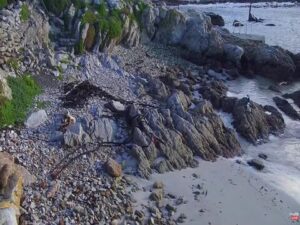
Stony Point Nature Reserve, Wallers Road, Betty's Bay, South Africa
 17.2°C / 63°F
11:04


Bloubergstrand Beach, Marine Drive, Cape Town, South Africa
16.3°C / 61.3°F
11:04
Paarl Golf Club, Wemmershoek Road, Boschenmeer Golf Estate, Paarl, South Africa
22.7°C / 72.9°F
11:04


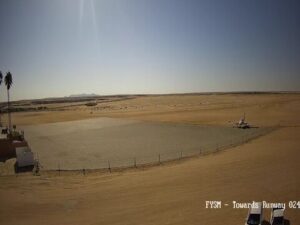
Swakopmund Municipal Aerodrome, Swakopmund, Namibia
 19.2°C / 66.6°F
11:04


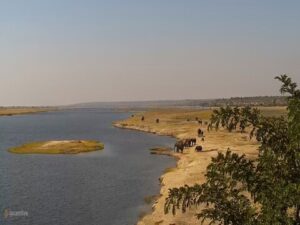

The Tembe Elephant Park Webcam looks out from the hide at Mahlasela Pan, a waterhole in a reserve that runs along the Mozambique border in the far north of KwaZulu-Natal, South Africa. In daylight the frame takes in a shallow pan with a bright green film over much of its surface, a big shade tree on the near bank, patches of bare red sand and short grass in front, and a wall of thick bush behind. The camera pans and zooms, so the picture moves between a wide shot of the whole pan and a close-up of whatever has just walked in. In the space of one morning that meant a lone elephant bull standing in the tree’s shade, then a warthog kneeling to graze. Africam, which runs the stream, says elephants, lions and antelope all come here to drink, and the camera is live 24 hours a day.
Tembe Elephant Park covers 300 square kilometers (116 square miles) of Maputaland, the remote northern corner of KwaZulu-Natal, and lies low, at around 80 meters (260 feet) above sea level. It was set up in 1983 to protect elephant herds that moved between Maputaland and southern Mozambique, but poaching during the Mozambican civil war kept it closed to visitors until 1991. The land is the ancestral home of the Tembe people. The park was developed by the Tembe Tribal Authority together with Ezemvelo KZN Wildlife, the provincial conservation body, and the Tembe tribe co-own and co-manage both the reserve and Tembe Elephant Lodge.
The elephants explain the name. About 250 live in the park, and they are counted among the largest in Africa, while roughly 200 more from the same population now live across the border in Mozambique. The best known of them, a bull called Isilo, was described as the largest living tusker in the southern hemisphere until he died in 2014. Tembe is also a Big Five reserve, and its habitats include a stretch of sand forest. More than 340 bird species have been recorded here, among them Rudd’s apalis, Woodward’s batis, the rufous-bellied heron and the swamp nightjar. From the hide, though, the view stops at the pan and its fringe of bush.
Summer here is hot, humid and wet. December to February highs average about 31 C (88 F), with nights around 21 C (70 F), and about two thirds of the year’s rain falls between November and March. February is the wettest month, at around 115 millimeters (4.5 inches). On camera, summer brings tall green grass, a fuller pan and dense foliage behind it. With rain pools lying all over the reserve, animals have plenty of other places to drink, so visits to the pan can be harder to predict.
Winter is dry and mild. June and July average about 25 C (77 F) by day and 13 to 14 C (56 to 57 F) at night, and July sees only about 12 millimeters (0.5 inches) of rain. The grass browns and the bush thins out, which opens up the view, and as water elsewhere dries up, a waterhole like this one tends to draw more traffic. Spring warms quickly, with highs near 28 C (83 F) in September and October and the first proper rains arriving in October. Autumn eases from about 28 C (83 F) in April to 27 C (80 F) in May.
Inside the park, Tembe Elephant Lodge offers luxury tented accommodation run with the Tembe community, along with game drives, guided walking trail packages, overnight hide camping and photography workshops. KwaNgwanase is the nearest town.
Ndumo Game Reserve adjoins Tembe and makes a very different day out. More than 430 bird species have been recorded there, and Nyamithi Pan is known for its fever trees, hippos, crocodiles and water birds. To the east, Kosi Bay sits about 40 kilometers (25 miles) away as the crow flies, roughly an hour by road. Its estuary is famous for centuries-old fish traps, funnel-shaped kraals that catch fish as they move in and out with the tide.
For more waterholes and big game, try these cameras next.
The camera watches Mahlasela Pan from a hide: a shallow waterhole with a green film over much of its surface, a large shade tree on the near bank, bare red sand and short grass in front, and thick bush behind. It zooms in on animals as they arrive, so the frame swings between the whole pan and a single elephant, warthog or antelope.
In Maputaland, in the far north of KwaZulu-Natal province, South Africa, on the border with Mozambique. The nearest town is KwaNgwanase, Ndumo Game Reserve adjoins the park, and Kosi Bay on the Indian Ocean coast is about 40 kilometers (25 miles) to the east as the crow flies.
No. The camera sits in the hide overlooking Mahlasela Pan, and the lodge’s tents are not in the frame. Everything on screen is the waterhole and the bush around it.
The park keeps South African Standard Time, UTC+2, all year, since South Africa does not use daylight saving time. That is 6 hours ahead of New York during US daylight saving time and 7 hours ahead the rest of the year, and 1 or 2 hours ahead of London.
Yes. Africam streams this camera 24 hours a day, so the player keeps running after sunset instead of switching off. How much of the pan shows up in the dark depends on the light at the hide, and the clearest pictures come in daylight.
No. Etosha National Park is in northern Namibia, about 1,900 kilometers (1,200 miles) northwest of Tembe. This camera is in South Africa, at Mahlasela Pan in Tembe Elephant Park.
Hot and humid in summer, mild and dry in winter. From December to February, daytime highs average about 31 C (88 F) with nights near 21 C (70 F), and most rain falls between November and March. June and July average about 25 C (77 F) by day and 13 to 14 C (56 to 57 F) at night, with very little rain.
Elephants are the main draw, and Africam’s highlights from this camera also show lions and porcupines. Kudu, impala and nyala come to drink, and warthogs graze the short grass around the pan. With more than 340 bird species recorded in the park, the water’s edge is worth watching for birds as well.
Source: Africam
The best new live webcams and site features, once a week.
By subscribing you agree to receive our weekly email. Unsubscribe any time.
 31.5°C / 88.7°F