Live

 18:22:06
 12.8°C / 55°F
 Light Rain
 95%
95% 6 km/h / 4 mph
 06:02
06:02 19:02
19:02Loading forecast…

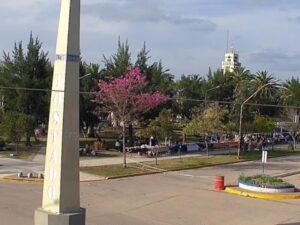
Ushuaia, Tierra del Fuego Province, Argentina
 15.1°C / 59.2°F
18:22
15.1°C / 59.2°F
18:22
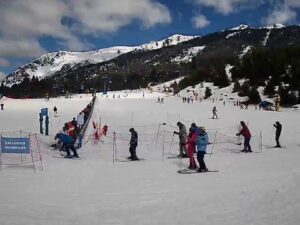
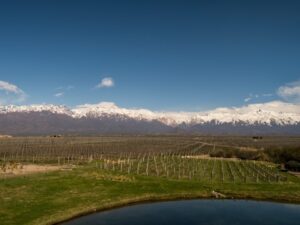
Cerro Catedral, Bariloche, Rio Negro, Argentina
12.5°C / 54.5°F
18:22
San Martin de los Andes, Neuquen, Argentina
12.4°C / 54.3°F
18:22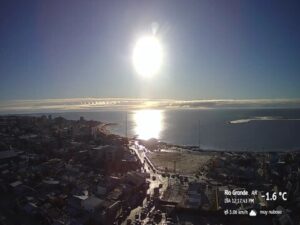

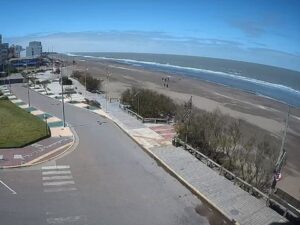

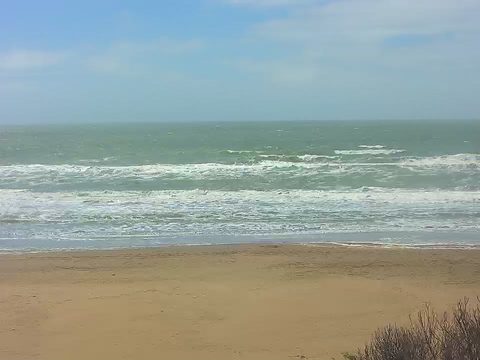
The Las Toninas Webcam looks straight out over the Atlantic from the dunes of Las Toninas, a small beach town on the Partido de La Costa in Buenos Aires Province, Argentina. A wide strip of pale sand fills the lower half of the frame, with a dune shrub poking in at the bottom right corner, and beyond it several lines of breakers roll toward the shore before the water settles into a long, unbroken horizon. The camera belongs to a surf and sea forecaster, so the view is set up to read the ocean: you can count the sets, see how far the white water reaches and tell a glassy morning from a wind-chopped afternoon. The live picture plays on the operator’s own page, which opens from the player above.
Las Toninas sits on the dune coast between Route 11 and the sea, 337 kilometers (209 miles) southeast of Buenos Aires and 6 kilometers (3.7 miles) south of San Clemente del Tuyu. It is a young town. A Czechoslovak couple, Alois Stoklasek and his wife Teresa Hudoba, founded it on February 20, 1960, and named it after the toninas, the local word for the dolphins that could be spotted from the beach in the early twentieth century. It has grown quickly since then: the 2022 census counted 7,667 residents, up from 5,278 in 2010. Tamarisks grow thickly on the dunes behind the sand.
The coast has a longer story than the town. In 1883 the Quebec-built ship Her Royal Highness ran aground about 13 kilometers (8 miles) from Cabo San Antonio, and her captain stayed on to establish the Estancia Los Ingleses nearby. A century later the same shore became the place where Argentina plugs into the world. Las Toninas is known as the country’s fiber optic capital because the submarine cables that reach Argentina come ashore here, among them SAm-1, SAC, Atlantis-2, Bicentenario, Unisur, Malbec and Tannat. None of that shows on the Las Toninas Webcam, but it is why the town is often called the kilometer zero of the Argentine internet.
The camera is run by Estado del Mar, an Argentine site that forecasts waves, wind and tides for the Atlantic coast. Its Las Toninas page sets the live picture beside current readings for wave height, wind, swell, water temperature and the day’s tide times, so the numbers can be checked against what the water is actually doing.
Las Toninas has a mild, damp coastal climate in which the sea takes the edge off both summer and winter. From December to February, afternoon highs average around 23 to 25 C (73 to 77 F), and the beach in front of the camera is typically at its busiest during these months. Autumn cools steadily, from about 20 C (68 F) in April to 16 C (61 F) in May. Winter highs settle around 12 to 14 C (54 to 57 F) from June to August, when gray skies are more common and the sand is usually close to empty. Spring warms from about 15 C (59 F) in September to 21 C (70 F) by November.
Rain is spread fairly evenly through the year, adding up to roughly 890 millimeters (35 inches), with March and the height of summer a little wetter than the rest. The beach faces east onto the open Atlantic, so the sun comes up over the sea here. Days run to more than 14 hours of daylight in December and fall to under 10 hours in June, which sets how much of the day the camera spends in good light.
The town’s own landmark is a hedge labyrinth planted on a natural dune, described as one of the largest in South America, with paths winding between living walls of greenery. Otherwise the beach is the main event, a long open stretch of sand backed by dunes, the same one the camera watches.
San Clemente del Tuyu, 6 kilometers (3.7 miles) north, holds most of the area’s attractions. Mundo Marino, opened in 1979, is billed as the largest oceanarium in South America, with dolphin shows among its presentations. The San Antonio Lighthouse dates from 1890, the Termas Marinas mineral hot springs opened in 2003, and the town’s fishing pier runs 129 meters (423 feet) long. At the northern end of San Clemente, Punta Rasa has been a nature preserve since 1997 and marks the point where the Rio de la Plata meets the Atlantic.
Two more beach towns on Argentina’s Atlantic coast, plus a view of the capital:
Las Toninas is on the Atlantic coast of Buenos Aires Province, Argentina, in the Partido de La Costa. It lies 6 kilometers (3.7 miles) south of San Clemente del Tuyu, with Route 11 running along its western edge.
The camera looks out from the dune line over the beach and the open Atlantic. Pale sand fills the foreground, lines of surf break across the middle of the frame, and the horizon runs straight across the view. A dune shrub sits in the bottom right corner.
Mild and coastal. Summer highs average around 23 to 25 C (73 to 77 F) from December to February, while winter highs sit near 12 to 14 C (54 to 57 F). Rain falls in every month, totaling roughly 890 millimeters (35 inches) a year.
Las Toninas is 337 kilometers (209 miles) from the city of Buenos Aires. Route 11 runs along the western edge of town, and San Clemente del Tuyu is 6 kilometers (3.7 miles) to the north.
The submarine fiber optic cables that connect Argentina to the rest of the world land at Las Toninas, including SAm-1, SAC, Atlantis-2, Bicentenario, Unisur, Malbec and Tannat. That is why the town is often called the kilometer zero of the Argentine internet.
Tonina is the local name for a dolphin. The town was named after the dolphins that could be seen from the shore in the early twentieth century.
Las Toninas was founded on February 20, 1960, by Alois Stoklasek and his wife Teresa Hudoba, a couple from Czechoslovakia. The 2022 census counted 7,667 residents.
Source: Estado del Mar
The best new live webcams and site features, once a week.
By subscribing you agree to receive our weekly email. Unsubscribe any time.
 10.3°C / 50.5°F
 12.5°C / 54.5°F