Live
Playa del Ingles, Gran Canaria, Spain
Playa del inglés gran canaria, Maspalomas, Spain
 26°C / 78.8°F
 19:26
19:26 20:26:26
 15.4°C / 59.7°FBroken Clouds
 83%
83% 6 km/h / 4 mph
 07:43
07:43 18:14
18:14Loading forecast…
Playa del inglés gran canaria, Maspalomas, Spain
26°C / 78.8°F
19:26
Cruise Pirs Arrecife, Avenida de los Marmoles, Arrecife, Spain
 25.1°C / 77.2°F
19:26
25.1°C / 77.2°F
19:26
Lanzarote Airport, San Bartolome, Lanzarote, Spain
25°C / 77°F
19:26



Yumbo Centrum, Avenida Estados Unidos, Maspalomas, Spain
26°C / 78.8°F
19:26
Sagrada Familia, Carrer de Mallorca, Barcelona, Spain
 20.2°C / 68.4°F
20:26
20.2°C / 68.4°F
20:26

Beach Castelldefels, Passeig Marítim, Castelldefels, Spain
21.1°C / 70°F
20:26
Sierra Norte de Madrid, Community of Madrid, Spain
14.5°C / 58.1°F
20:26
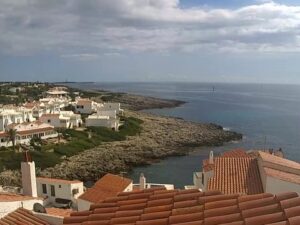
The Lierganes Bird Feeder Webcam looks at a shaded woodland feeding station in the grounds of the Fluviarium Ecomuseum in Lierganes, a small town in the Miera Valley of Cantabria, northern Spain. A thick tree stump stands in the middle of the frame with two open feeding trays fixed to its trunk, and a round feeder hangs from a wooden crossbar beside it. Ferns, ivy and a low wooden rail fill the background, and seed husks lie scattered over the bare earth in front. The station is stocked for both birds and squirrels, so the scene can go from empty to busy in a few seconds as small birds drop onto the trays or a squirrel works its way down the trunk. Directo Natura, a Spanish network of live nature cameras, broadcasts it in 4K.
The feeder belongs to the Ecomuseo-Fluviarium, a nature museum run by the Nature and Man Foundation (Fundacion Naturaleza y Hombre) on the Camino Real, in the El Mercadillo quarter of Lierganes. Its two exhibition floors cover the Pasiega and eastern mountains of Cantabria and their river basins, and its fluviarium keeps live otters alongside salmon, trout and eels. Directo Natura lists this view as Camera 58, and the current broadcast has run since April 26, 2026. The operator states that its cameras film without disturbing the animals.
Lierganes stands about 110 meters (361 feet) above sea level on the Miera River, roughly 25 kilometers (16 miles) south of Santander, and counted 2,365 residents in 2025. Its old center was declared a site of national historic and artistic interest in 1978. The Puente Mayor, the stone bridge over the Miera, was designed by Bartolome de la Hermosa in 1587 and finished in 1606. Behind the rooftops rise two rounded hills, Marimon and Cotillamon, which locals call Las Tetas de Lierganes for their shape.
The town’s most famous story is the legend of the Fish Man. Francisco de la Vega Casar, a local man working as a carpenter in Bilbao, was swept out to sea while swimming in the Bilbao estuary on the eve of Saint John’s Day in 1674. In 1679 fishermen in the Bay of Cadiz pulled a strange creature with gills and fins from their nets, and the story says a friar walked him back to Lierganes, where his mother recognized him as her lost son. Cannon were also made here from 1622, at the royal artillery works of Lierganes and the neighboring village of La Cavada.
Lierganes has a mild, damp Atlantic climate with no real dry season. Averages for 2016 to 2025 put winter highs at about 13 to 14 C (55 to 57 F), with nights around 6 to 8 C (43 to 46 F). Spring warms from about 15 C (59 F) in March to 19 C (66 F) in May. Summer highs reach 22 to 25 C (72 to 77 F) and nights stay near 15 to 17 C (59 to 63 F). September still averages about 23 C (73 F) before November cools to 16 C (61 F). Rain falls in every month. November is usually the wettest, and July the driest.
The feeder sits under trees, so the light on screen stays soft and green even at midday, and grey winter afternoons can turn the picture dim. Autumn and winter are often the busiest seasons at a feeding station like this one, as wild food runs short and visits to the trays tend to pick up. Those months also bring winter visitors from the north, from robins and blackcaps at garden feeders to the common cranes that fly from Scandinavia and the Baltic to Extremadura and Aragon, a route traced on our bird migration map. In late spring and summer the ferns and leafy plants around the stump grow thicker. Spain keeps Central European Time even this far west, so local clocks run well over an hour ahead of the sun, and winter mornings stay dark until late by the clock.
The Fluviarium itself is the obvious first stop. Its aquariums recreate a Cantabrian river with salmon, trout and eels, the live otters draw families, and the exhibitions cover the Pasiego meadows and cabins, water as a resource, the region’s wildlife and its underground world. In the same El Mercadillo quarter, the old Mercadillo Mill of 1667 now houses the Fish Man Interpretation Center, which tells the legend in full.
The historic center is small enough to see on foot. The Church of San Pedro ad Vincula dates from the 16th and 17th centuries, the Humilladero hermitage from the 16th, and the Arce-Heredia palace is an 18th-century Baroque house. The Palacio de Cuesta Mercadillo, also called La Ranada, was built in the mid-16th century. The town’s spa, the Balneario de Lierganes, uses sulfurous spring water, and Santander, with its bay and city beaches, is about 25 kilometers (16 miles) to the north.
For more birds and feeder visitors, these cameras make a good next stop.
It is in the grounds of the Fluviarium Ecomuseum on the Camino Real in Lierganes, a town of about 2,400 people on the Miera River in Cantabria, northern Spain. Santander is about 25 kilometers (16 miles) to the north.
A close view of a woodland feeding station: a tree stump with two open trays on its trunk, a round feeder hanging from a crossbar, and a patch of bare earth covered in seed husks, with ferns and a wooden rail behind. Birds and squirrels come and go through the day, with quiet spells between visits.
The squirrels in the woods of Cantabria are red squirrels. Their visits are often short, so the trays can sit empty for a few minutes between them.
Mild and wet. Winter highs average about 13 to 14 C (55 to 57 F), summer highs about 22 to 25 C (72 to 77 F), and rain falls in every month, most of all in November.
Directo Natura streams it on YouTube as Camera 58, one of its feeder, drinking pool and pond cameras across Spain. The feeder stands at the Ecomuseo-Fluviarium, which belongs to the Nature and Man Foundation (Fundacion Naturaleza y Hombre).
A local legend from the 17th century. Francisco de la Vega Casar vanished while swimming in the Bilbao estuary in 1674 and was said to have been caught by fishermen in the Bay of Cadiz in 1679, with gills and fins. The Fish Man Interpretation Center in the old Mercadillo Mill tells the story.
Two floors of exhibitions on the Pasiega and eastern mountains of Cantabria and their rivers, plus aquariums with salmon, trout and eels and live otters. The museum is run by the Nature and Man Foundation, and this feeder sits in its grounds.
Source: Directo Natura
The best new live webcams and site features, once a week.
By subscribing you agree to receive our weekly email. Unsubscribe any time.
 19.6°C / 67.3°F