Live
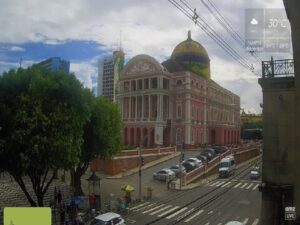
Teatro Amazonas, Manaus, Brazil
Teatro Amazonas - Largo de São Sebastião - Centro, Manaus - State of Amazonas, Brazil
 29.2°C / 84.6°F
 23:08
23:08 22:08:34
 16.1°C / 61°F
 Overcast Clouds
 92%
92% 1 km/h / 1 mph
 05:57
05:57 18:04
18:04Loading forecast…
Teatro Amazonas - Largo de São Sebastião - Centro, Manaus - State of Amazonas, Brazil
29.2°C / 84.6°F
23:08

Ninepipes Lodge, Mission Valley, Montana, USA
 6.2°C / 43.2°F
21:08
6.2°C / 43.2°F
21:08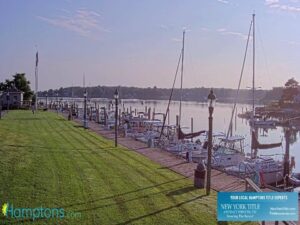
Conscience Point, Conscience Point Road, Southampton, NY, USA
 20°C / 68°F
23:08
20°C / 68°F
23:08


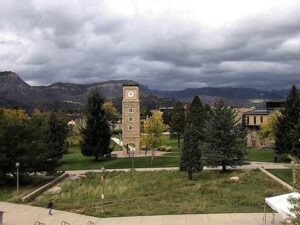
Fort Lewis College, Durango, Colorado, USA
5.2°C / 41.4°F
21:08
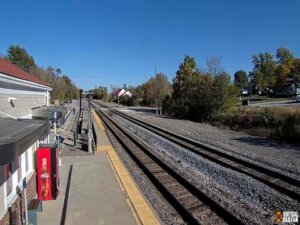
La Plata, MO Virtual Railfan Webcam, North Owensby Street, La Plata, Missouri, USA
 16.1°C / 61°F
22:08
16.1°C / 61°F
22:08


Monterey Bay Aquarium, Cannery Row, Monterey, CA, USA
17.8°C / 64°F
20:08The Hummingbird Feeders Webcam looks into the garden of Sachatamia Lodge, a private cloud forest reserve beside the road into Mindo in Ecuador’s Pichincha province. Two tall cut-glass feeders with red flower-shaped ports and perch rings fill most of the frame, and the red cup of a third feeder sits low at the front left. Behind them are palm fronds, tree ferns and a strip of lawn running back to the forest edge, with a garden lamp on a post at the right. Hummingbirds come in quick visits, settle on the rings to drink and dart off again, and several birds can be on the feeders at the same time. On wet afternoons the glass is beaded with rain and the greens look dark and saturated. Feeding stops after dark and picks up again at first light, around 6 am local time.
Sachatamia Lodge stands at kilometer 78 of the highway from Quito through Calacali to La Independencia, 300 meters (980 feet) before the junction where the road to Mindo branches off. The lodge describes its land as a private ecological reserve of more than 120 hectares (297 acres) of cloud and rain forest, and the reserve borders the protected Mindo-Nambillo forest. The lodge sits at roughly 1,700 meters (5,600 feet), on the slope above Mindo town in the valley below.
The camera is run by Hummingbird Spot, a YouTube channel that also streams feeder cams in Peru and California. Hummingbird Spot calls this the first 24/7 live hummingbird feeder cam in South America and credits the birding guides of Neblina Forest and the lodge’s owners for making it possible. Its list of regular visitors runs to 15 species: Violet-tailed Sylph, Velvet-purple Coronet, Andean Emerald, Purple-bibbed Whitetip, White-necked Jacobin, Rufous-tailed Hummingbird, Brown Violetear, Sparkling Violetear, Fawn-breasted Brilliant, Green-crowned Brilliant, Empress Brilliant, Brown Inca, Booted Racket-tail, White-whiskered Hermit and Purple-throated Woodstar. The Violet-tailed Sylph, whose male trails a long violet-blue tail, is the easiest to pick out on the perches. These are birds of the Andes that stay in the region all year. North America’s hummingbirds are the long-distance travelers of the family: the rufous hummingbird flies about 6,300 kilometers (3,900 miles) from as far north as Alaska to central Mexico, a route you can follow on our bird migration map.
The forests around Mindo belong to the Choco endemic bird area, and the Mindo sector was the first Important Bird Area that BirdLife International designated in South America. Around 370 bird species have been recorded there, 33 of them hummingbirds, and the Velvet-purple Coronet is one of the regional endemics. The wider Mindo area covers 268 square kilometers (103 square miles) between 960 and 3,440 meters (3,150 and 11,290 feet), with 86 square kilometers (33 square miles) inside the Mindo-Nambillo reserve, and nearly 200,000 tourists visit it each year.
Sachatamia Lodge lies about 3 kilometers (1.9 miles) south of the equator, so there is no summer or winter in the usual sense. Average highs at the lodge’s elevation stay around 18 to 19 C (64 to 66 F) in every month, and nights settle near 14 to 15 C (57 to 59 F). Day length hardly changes either. The sun rises around 6 am and sets around 6 pm all year, so the webcam’s daylight hours are much the same in January as in July.
What changes is the rain. December to May is the wet season, with January, March and April usually the wettest months. June to September is drier, and August is normally the driest month of the year, while October and November sit in between. Even the drier months bring regular rain, which is what keeps this forest in cloud. Mist can soften the palms behind the feeders at any hour, and hummingbirds keep feeding through light rain, so a grey day on the camera is not necessarily an empty one.
At the lodge itself, a second viewing area beside the hummingbird feeders draws tanagers to bananas put out by the staff, and the reserve has forest trails and a tall observation tower up in the trees. Mindo town is a short drive down the valley road and works as a base for day trips from Quito. El Quetzal runs bean-to-bar chocolate-making tours, Mindogarden is a butterfly farm where tropical butterflies feed on banana from visitors’ hands, and several orchid farms open their gardens to visitors.
Above town, a tarabita, an open cable car, marks the entrance to trails leading to a chain of waterfalls, reached by an uphill walk of about 7 kilometers (4.3 miles) from Mindo. The Mindo, Saloya and Cinto rivers run through the area, and tubing on them is popular, known locally as a regata, alongside rafting, canyoning, mountain biking and horseback riding. Birders heading back toward Quito can stop at Bellavista Reserve, Tandayapa Pass and Yanacocha Reserve for more cloud forest and highland species.
For another feeder, and more of Ecuador and Latin America, try these cameras.
At Sachatamia Lodge, at kilometer 78 of the Quito to La Independencia highway via Calacali, just before the turnoff to Mindo. Mindo is on the western slope of the Andes in Pichincha province, northwest of Quito.
A close, fixed view of three red nectar feeders in the lodge garden, two of them tall cut-glass bottles, with palms, tree ferns and forest behind. Hummingbirds land on the perch rings to drink, and several can be on the feeders at once.
The camera’s operator lists 15 species, among them the Violet-tailed Sylph, Velvet-purple Coronet, Booted Racket-tail, Empress Brilliant, Brown Inca, White-necked Jacobin and Purple-throated Woodstar.
About 132, out of roughly 360 hummingbird species worldwide, so more than a third of the family occurs in Ecuador. The Mindo area alone has 33 on record.
About 1,700 meters (5,600 feet), on the cloud forest slope above Mindo town.
No. The camera stays on the feeders and the garden behind them, so the lodge buildings, its pool, the tanager feeding area and the town of Mindo are all out of frame.
Most likely it is night in Ecuador. The stream runs around the clock, but hummingbirds do not feed after dark, so the feeders stay quiet until first light around 6 am local time, which is UTC minus 5. Short quiet spells during the day are normal too.
Mild and wet all year. Highs at the lodge stay around 18 to 19 C (64 to 66 F) in every month, the rainiest stretch runs from December to May, and June to September is the drier season, with August usually the driest month.
Source: Hummingbird Spot
The best new live webcams and site features, once a week.
By subscribing you agree to receive our weekly email. Unsubscribe any time.